1m Composite Fence Panels
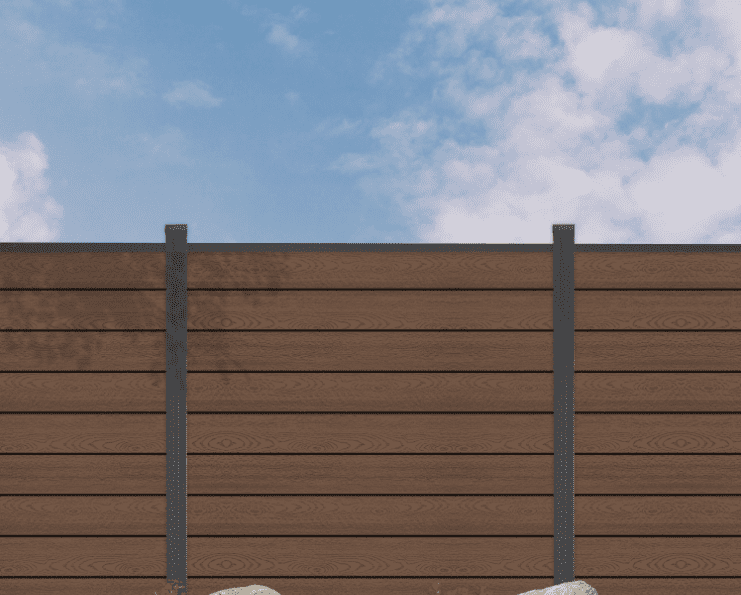
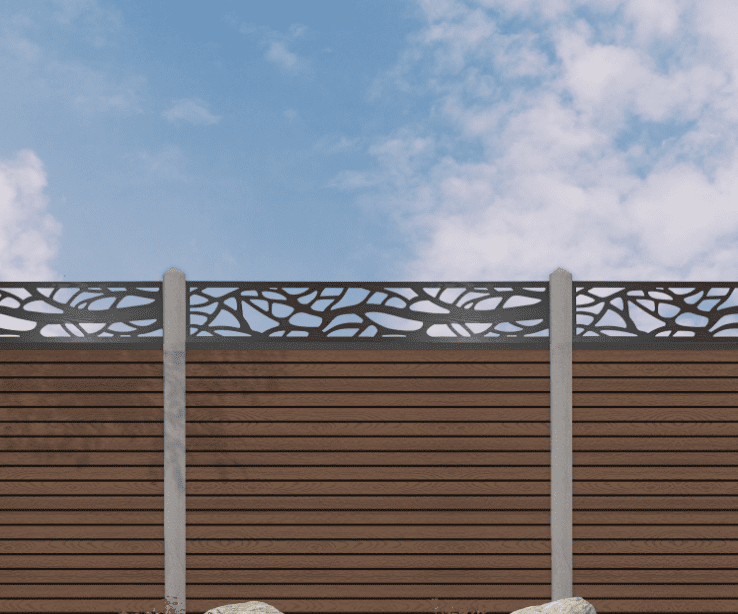
Why Choose 1m Composite Fencing?
A 1m fence height is ideal when you want to clearly define a space without fully enclosing it. It provides structure and visual separation while keeping gardens and outdoor areas feeling open and welcoming.
Compared to traditional timber fencing, composite panels retain their shape and finish over time, even when exposed to rain and changing temperatures. This makes 1m composite fencing a practical option for customers looking for a smart, tidy boundary with minimal upkeep.
1m composite fencing is particularly well suited to:
-
Front garden boundaries
-
Side garden divisions
-
Decorative or landscaped fencing
-
Residential properties where visibility is important
-
Light commercial or public-facing areas
FAQ’s
Is 1m composite fencing suitable for front gardens?
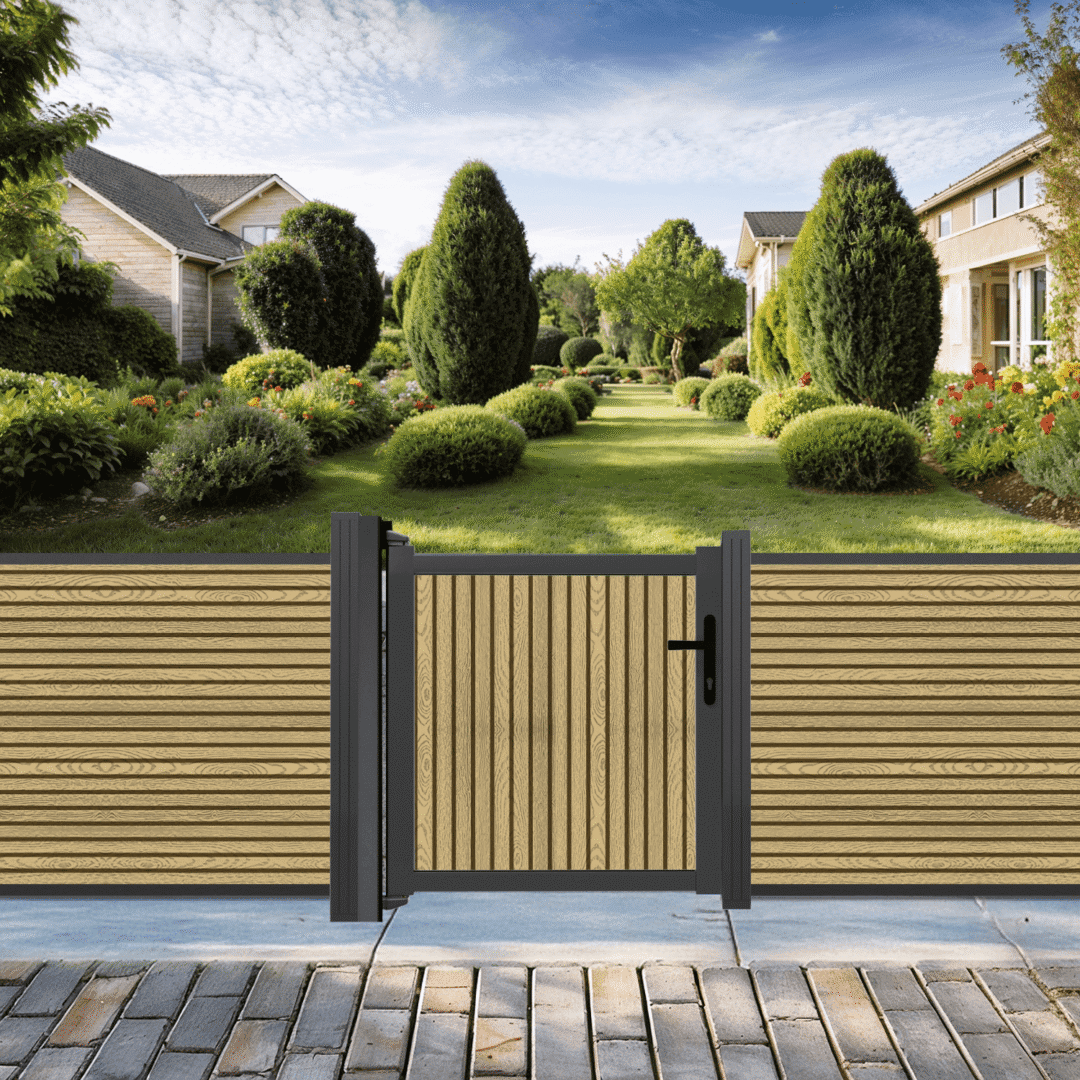
Yes, 1m composite fencing is commonly used for front gardens and low boundary applications. It provides clear definition and a neat finish without blocking light or visibility, which is often preferred at the front of residential properties.
How much privacy does 1m composite fencing provide?
A 1m fence offers limited privacy and is primarily used for boundary marking rather than screening. It is ideal where you want to maintain an open feel while still clearly separating spaces or defining property lines.
What post height should be used with 1m composite fence panels?
For 1m composite fencing, posts need to be taller than the panel height to allow for secure fixing and ground installation. The exact post size will depend on whether the posts are set into the ground or fixed to a base, but they must be compatible with 1m panels for stability.
Can 1m composite fencing be used on uneven or sloping ground?
Yes, 1m composite fence panels can be installed on uneven or sloping ground. Panels can be stepped or trimmed to follow the contour of the garden, helping achieve a tidy and consistent fence line when installed correctly.
Is 1m composite fencing suitable for commercial use?
While 1m composite fencing is more commonly used in residential settings, it can also be suitable for light commercial applications where boundary definition is needed without full screening, such as landscaped areas or decorative perimeters.